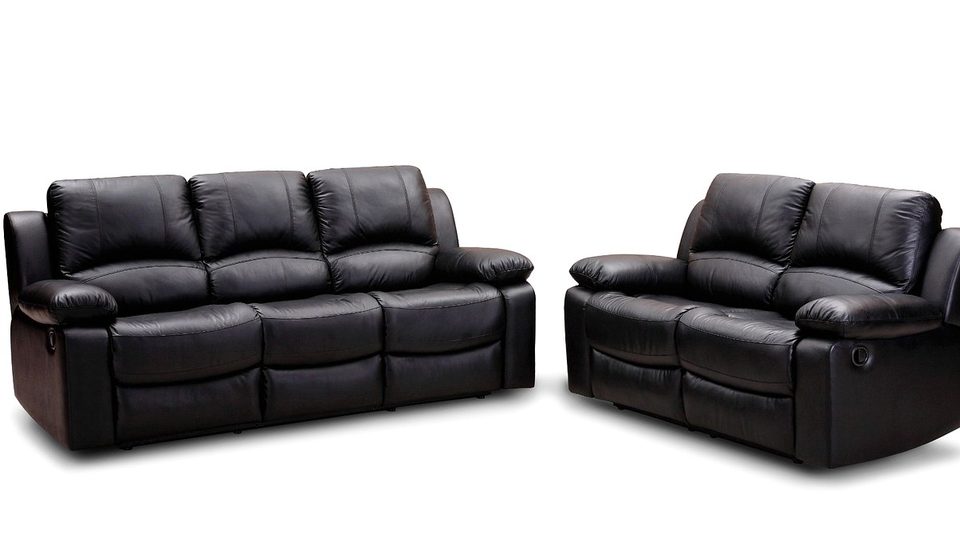
A leather sofa keeps its good looks for years when cared for properly, but the wrong cleaning method can damage the surface quickly. This article walks through the steps in order: preparation before cleaning, routine dust removal, and how to respond when a stain appears. We also cover when to apply a conditioner and how to protect the sofa from sunlight and heating.
Preparing to clean your leather sofa
Before wiping a leather sofa, first check its material and finish. Some leather is coated with a protective surface layer, while other leather is left uncoated to show its natural grain, and the two call for different amounts of water and different products. Reading the product manual or the care guide provided at purchase helps you avoid using the wrong cleaner. If there is no manual, it is safest to test first on an inconspicuous spot, such as under a cushion.
Gathering your tools in advance makes the job much easier. The basics are two soft cotton cloths, a little lukewarm water, and a pH-neutral cleaner. As a rule, avoid bleach, alcohol, and stiff brushes that can roughen the surface. Ventilate the room by opening a window, and lay a towel on the floor around the sofa so that any drips do not damage the flooring.
The most important rule at this stage is not to use too much water at once. If leather stays wet for long, it can discolor or its seams can weaken, so wring the cloth thoroughly and use only enough to leave it slightly damp. Before cleaning, remove the cushions and covers and inspect each part separately. Working in a set order reduces mistakes during cleaning and helps you care for the whole sofa evenly.
Routine dust removal
The task you will repeat most often in everyday leather care is removing dust. Dust left on the surface can cause small abrasions that gradually roughen the grain of the leather. A good habit is to wipe the surface lightly with a dry, soft cloth about once a week. Rather than pressing hard, sweep gently in one direction, which puts less strain on the leather.
Dust that collects in crevices and seams is best removed with the soft brush nozzle of a vacuum cleaner. Dust tends to linger where your hand rarely reaches, such as where the backrest meets the seat or under the armrests. Move the nozzle slightly above the leather rather than pressing it against the surface, which helps prevent scratches. If the cushions can be removed, also clean inside the cushions and the underside of the sofa.
Dust removal works better when done often and briefly rather than all at once. If you leave it for a long time, dust builds up, and rubbing it off requires more force, which easily leaves marks on the surface. If your living space gets a lot of dust, it is wise to shorten the interval between cleanings. Simply removing dust regularly can delay the need for a deeper cleaning.
- Wipe the surface lightly with a dry, soft cloth once a week.
- Use the soft brush nozzle on your vacuum and keep it off the surface.
- Check under the armrests and along the seams separately, as dust builds up there easily.
- Removing dust often and briefly reduces surface friction.
What to do when a stain appears
When a stain appears, don't panic and rush to rub it. First, identify what kind of stain it is. If it's water-soluble, like a drink or plain water, simply pressing it right away with a dry cloth to absorb it can prevent it from spreading. Oil-based or deeply colored stains absorb more slowly, so it's best to dab gently with a cloth, working from the edges toward the center. Rubbing can push the stain deeper into the leather or damage the surface finish, so the golden rule is to apply no force.
To treat a water-soluble stain, the basic method is to dampen a cloth with lukewarm water, wring it out, and dab the stained area. Then press a dry cloth on it again to remove the moisture. If the stain remains, apply a very small amount of neutral detergent and repeat the process once more. To avoid leaving any detergent residue, finish by using a cloth dampened with clean water.
The main thing to watch for during stain removal is the stain spreading across the entire sofa. Keeping your working area small and treating one section at a time helps reduce visible borders. If the stain won't come out or you suspect the leather surface has discolored, it's safer to get help from a leather care specialist rather than continuing to scrub. Working gradually and following the proper sequence is the best way to minimize damage to the leather.
When to Use Leather Conditioner
With a leather sofa, the most important habit is to wipe it down after each use. The surface must be clean before applying conditioner so the ingredients absorb evenly. Dust and sweat left on the surface can easily roughen the leather grain, so conditioning should be done periodically and only when needed. Applying too much will leave a sticky residue and attract dust, so spread a thin layer. Check the recommended interval on the product instructions; following it is the starting point for stable care.
Conditioner is best used when the leather feels dry or its surface sheen has noticeably faded. It's a good idea to check the condition when seasonal changes make indoor air drier. Before use, test a small amount on an inconspicuous area to make sure it doesn't cause discoloration or stains. After applying the conditioner, gently rub with a soft cloth to wipe away any excess. This process keeps the leather's texture stable and maintains its natural luster.
Once conditioning is finished, allow enough time for the leather to dry fully. While it dries, avoid placing heavy objects on the sofa or sitting on it right away. Using the sofa before the conditioner has been fully absorbed can leave the surface blotchy or slippery. Rather than treating a large area at once, work through sections in turn, such as the backrest, seat cushions, and armrests, to keep the results even. After finishing, inspect the surface again and touch up only the areas that need it.
Protecting from Sunlight and Heating
Sunlight is the main cause of leather fading and surface dryness. Placing a sofa by a window can lead to prolonged direct sun exposure and visible color differences. If possible, position the sofa a little away from the window and use curtains or blinds to soften strong light during the day. Simply moving the sofa to a less sunny spot can help extend the leather's lifespan. Keeping these factors in mind when planning your interior layout is worthwhile.
Heating appliances can also affect leather. Placing a sofa near a fan heater or floor heating raises the risk of the leather drying out quickly and cracking from the heat. Keep a reasonable distance between the heater and the sofa, and arrange things so heat doesn't hit the leather directly. When indoor air becomes dry in winter, pay attention to humidity as well. Sudden temperature changes stress leather, so keeping the room temperature steady helps.
You can protect a sofa by covering it for long periods, but be careful with fabrics that aren't breathable, as they can trap moisture. When using a cover, lift it often to air things out, and choose a material that allows the leather to breathe. Placing cushions or a blanket on frequently used spots also helps reduce wear in those areas. These small habits add up, helping the leather keep its color and grain for much longer.
Periodic Checks and Storage Habits
A leather sofa benefits from an initial inspection that helps you decide how to care for it. Each time the seasons change, check the surface for cracks, colour changes and the condition of the seams. Even small damage can spread if left alone, so catching it early matters. Keeping a simple record of your checks helps you judge how often to moisturise or clean. Regular checks like these form the foundation of your overall care routine.
How you store the sofa also has a direct effect on its condition. When moving it or leaving it unused for a long period, choose a dry, well-ventilated space. Pushing furniture tight against the wall reduces air circulation and can lead to mould or odour, so leave a suitable gap behind the sofa to let air flow. Following these basic principles will help keep your leather sofa in steady condition.
In short, a leather sofa lasts longest when regular inspection and proper storage go hand in hand. Clean and moisturise in measured amounts rather than too often, and keep it away from direct sunlight and heating. Setting an inspection schedule lets you spot and address damage early. Recording the sofa's condition and treating only the areas that need it is the most sensible approach. Repeating these habits in daily life will keep your leather sofa looking good for years.
- Wipe lightly after use to remove dust
- Apply moisturiser thinly, only when needed
- Keep away from direct sunlight and heating appliances
- Check for cracks and colour changes each season
- Store in a ventilated spot, leaving space from the wall
Key takeaways
-
When to moisturise Apply a thin layer and wipe off any excess when the leather feels dry or has lost its sheen.
-
Sunlight and heat Placing the sofa away from direct sunlight and heating appliances helps reduce fading and drying.
-
Regular checks Inspect the surface each season and record small damage early so you can manage it.
This article is intended to provide general information and does not replace official professional advice.